Little is known about what the Super El Niño will look like when the heart of winter beats to life in the Mountain West, but far be it from reason to muddy the tracks of the hype train.
A quick Google search uncovers forecasts blanketing everything from cataclysmic snowfall to “maybe some more rain than usual.” Hopefully, it lands somewhere in the middle. For the doomsayers to be right, a lot of things have to go wrong.
Still, not knowing isn’t an excuse not to prepare, especially for the real estate industry. Should the warming water of the Pacific deliver on its potential, interest rates will be of little concern.
Maybe.
Addressing the Hype of the Super El Niño
First, “Super El Niño” is not a technical meteorological term. It’s a byproduct of popular culture’s penchant for hyperbole about the unexplained. The modifier tends to be applied when the average ocean surface temperature increases by at least 3.6º F.
And yes, this year the label is appropriate.
The Australian Bureau of Meteorology said “El Niño is at near-record levels. Both oceanic and atmospheric indices reflect values consistent with a strong El Niño, with further intensification forecast during the rest of spring.”
It’s the degree of Pacific warming that has triggered so many to pay attention to its development.
Last year’s winter in the American West—the second-warmest on record, according to Yale Climate Connections—also fueled the topic’s surging popularity, leaving half of the United States either worried or ecstatic about what lies ahead.
Crystal Egger is president and meteorologist at consulting company Monarch, which overlaps weather and climate intelligence data with business decisions. She told the consumer marketplace Insurify that El Niño patterns make big events more likely but harder to predict where they’ll materialize.
“According to Egger’s data, California and the Southwest face a higher risk of heavy rain, flooding, mudslides, and debris flows in the wake of El Niño,” Insurify stated. “The Southern Plains, Gulf Coast, and Southeast could see wetter-than-normal conditions and increased water damage. Parts of the Mid-Atlantic and Northeast could face heavy precipitation and coastal or inland flooding.”
Part of Insurify’s reporting is already being realized. King Tides pushed up the Pacific and merged with storm swell a few weeks ago, devouring protective beaches and flooding coveted coastal luxury homes in Southern California. With winter still months away, these beaches are already in peril.
Developers sitting on projects, real estate agents who work in relocation, ranchers, and those who in some way depend on land as a revenue source would be wise to consider how they could be affected. And making it through winter is only the beginning, as this year’s El Niño has the potential to spike average temperatures come spring and summer.
Where & What Are the Risks?
The horror of the 2025 Pacific Palisades fire will last for decades. More than a billion dollars in infrastructure was scorched clean, leaving difficult-to-salvage lots stained with nature’s fury.
And should this year’s Super El Niño bring heavy rains to the California coast, as is likely, the next pain felt by those trying to rebuild will stem from the opposite of what created it, as heavy rains will drench countless empty lots, pushing flood risk to new heights. For owners holding burn-area lots, flood risk becomes part of the buildability question, and potentially the rebuild timeline.
“What I see happening all around me is, literally several times a week, before the storm events they have around here, people talking about preparation for mud flows,” Cotality’s chief scientist, Howard Botts, said in a HousingWire report about the Southern California market.
Compounding the issue are miles of barren hillsides and canyons that helped absorb seasonal rains.
Anthony Marguleas with Amalfi Estates has sold more Palisades lots than any agent in the market—75 alone since the fires. His regular newsletter directly discusses what’s happening in the fire-weary community.
Land id asked about what he’s hearing in the market, if people are curious about the weather.
“We are 100 percent having those conversations,” Marguleas said. “I’m recommending to sellers they put on them on market sooner than later. We have a 75 percent probability forecast that it will be the strongest since 1950 [the year NOAA started monitoring El Nino].”
“The biggest concern isn’t the rain … it’s the water and debris coming from nearby properties. If the hillsides aren’t protected, especially in hillside and canyon lots … it doesn’t mean those lots will lose value, but these lots will demand more scrutiny and take longer to market.”
Still, Marguleas said that if there was any benefit to these occurrences becoming reality, they will allow future homebuyers and developers to understand what are risk prone, or may require special attention from future builders.
The Los Angeles Regional Fire Safety Council is also sounding the alarm.
“The Eaton Fire did more than destroy homes and vegetation. It changed how portions of the San Gabriel Mountain watershed above Altadena respond to rain,” the organization said. “There is one principle everyone living near the Eaton or Palisades burn areas should understand: It takes less rain to create dangerous runoff after a wildfire than it did before the fire.”
Homeowners and property managers in Southern California need to strongly consider examining their proximity to flood zones, canyons, and treeless terrain. Understanding property elevation is just as valuable now as knowing median sale price.
“Knowledge is power, right?” Marguleas said.
Risks Beyond the Coast
Owners and operators in the Golden State are not the only people who should be concerned. The Super El Niño can have impacts in the Southeast, too.
“The shift in the jet stream will probably bring cooler, wetter conditions to the Southeast and Gulf Coast as we move into late fall and winter,” Botts told HousingWire. “But we’ll see more severe convective storms—probably more tornado activity.”
For places like the Great Lakes, above-average hot spells push energy demand and strain power grids, especially in places where comfortable summers are the norm, according to Egger’s findings. And in the Northwest, sustained dry periods may make fires more likely. The summer of 2026 was bad enough for Oregon and Washington, in which the former experienced its worst fire season on record, with more than 2.5 million acres burned.
All of those regional risks eventually show up in the same place: whether a property can be insured, and whether a deal can close.
Insurance Companies on Watch
To many, the looming threat sounds dystopian, and it’s tempting to wait until an actual weather system is forecast. That’s not advised, however, because Super El Niño storms come fast, and their severity is hard to forecast. The same goes for floods and snowstorms.
Realtor.com stated that insurers have identified five states as “hotspots” for major El Niño-related activity: Texas, Florida, California, New York, and Washington.
This means that insurance providers are collecting data, trendspotting, and running numbers. California and Florida already face severe home insurance issues, with home sales being canceled or delayed as a result of carriers avoiding hurricane- and fire-prone regions.
Should insurance claims come fast and steep in the wake of national weather events, the real estate industry will feel it immediately as carriers pull out of markets they once covered. Sellers lose the ability to move, inventory tightens, and buyers face fewer options and harsher competition.
How Agents Can Help Buyers & Sellers
There’s little anyone outside of Washington, D.C. can do to combat the vexing, rumbling machine that is the modern insurance industry. Those facing real estate decisions in the next 12 to 18 months should extend every effort to understand the physical context of what they’re listing, buying, or building.
If there’s been one defining tragedy that underscores the severity of so many recent weather events, it’s the fact that those affected were never quite aware of the risk. Real estate agents often earn their value outside of the transaction, and becoming an ever-informed source for their clients can secure relationships for the long term.
Becoming a climate scientist is likely out of the picture, but a resource provider is easily within reach. You can take action to assist buyers and sellers in a number of ways:
- Help clients with data, insights, and as much context as possible for their properties. Things could have changed since they closed. This is essential for those currently in the market. Start by sending clients their “Land id” and invite discussions about what they discover.
- Dedicate marketing bandwidth to the Super El Niño topic. Share resources, articles, and updates from reliable sources, such as NOAA, Monarch, The World Meteorological Association, and Scripps Institute of Oceanography, among others.
- Use your vendor contact list as a source. Seek and share with your database advice from inspectors, plumbers, and other relevant tradesmen on risks and maintenance.
- Create a running list of post-event services. This should include local shelter information, hotline numbers, and other emergency care and assistance organizations.
- Be ready to assist with fast sales and relocations. If you need to help a client move out of state, try these tips and tactics for working with incoming and outgoing buyers.
FAQs
Continue Reading
Craig Rowe
How to Work With Out-Of-State Buyers: Tips for Real Estate Agents


By Land id
Agents in emerging markets will benefit from an influx of aspiring buyers. Get tips on how to make the most of these potentially lucrative leads.
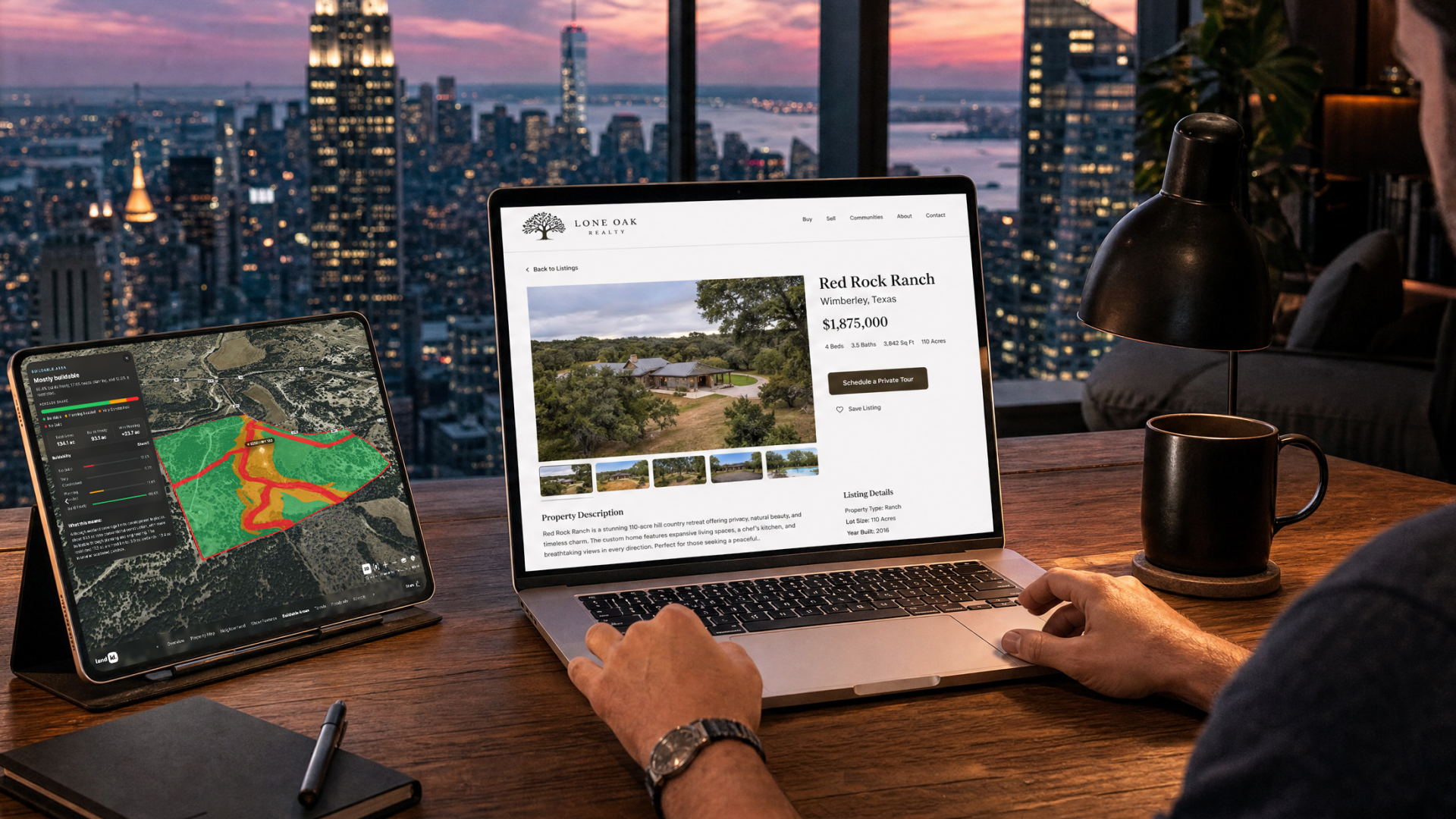
Absentee Owner Lists: What They Are, Why They Convert & How to Get Them
By Land id
Absentee owner lists are one of the most reliable ways to find off-market opportunities before your competition does. Here's how to do it in Land id.
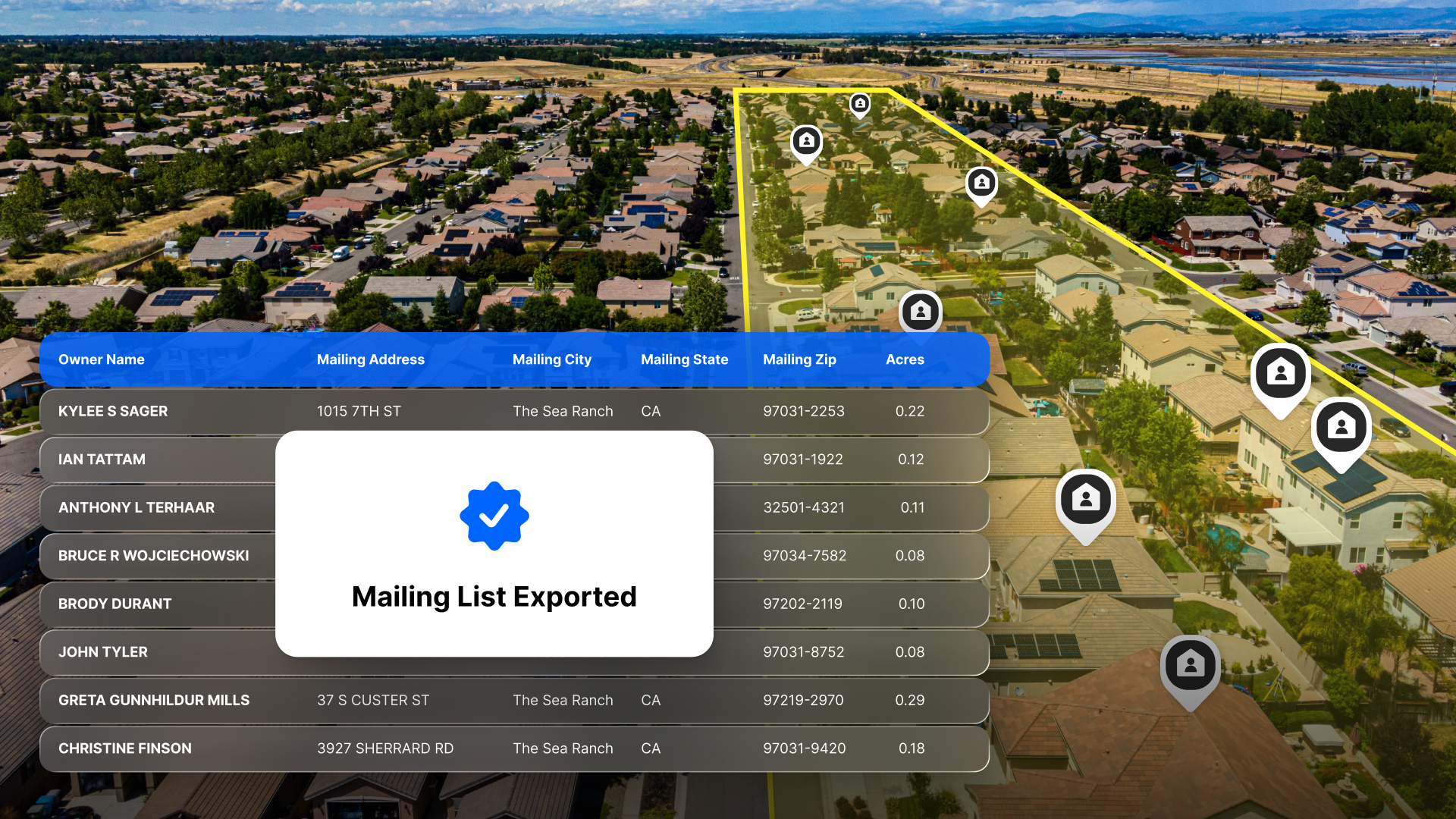

Explore Private Parcel Data & Property Boundaries
Download the Land id app and try for free.